Interior Design Tips: Transform Your Space with Art
- jamieclauson
- Jul 17, 2025
- 5 min read
Art has the power to transform any space. It can breathe life into a dull room, create a focal point, and express your personality. Whether you are a seasoned art collector or just starting to explore the world of art, incorporating it into your interior design can elevate your home. In this post, we will explore practical tips on how to use art to enhance your living space.
Understanding the Role of Art in Interior Design
Art is not just decoration; it serves a purpose in interior design. It can set the mood, create a theme, and even influence how we feel in a space.
Mood Setting: Bright colors can energize a room, while softer tones can create a calming atmosphere.
Theme Creation: Art can help establish a theme. For example, coastal art can enhance a beach-themed room, while abstract pieces can add a modern touch.
Personal Expression: Your choice of art reflects your personality and interests. It tells a story about who you are.
By understanding these roles, you can make more informed choices about the art you select for your home.
Choosing the Right Art for Your Space
When selecting art, consider the following factors:
Size: The size of the artwork should complement the space. A large piece can serve as a statement, while smaller pieces can be grouped together.
Color: Choose colors that harmonize with your existing decor. You can either match the colors or use contrasting ones to create a dynamic look.
Style: Consider the overall style of your home. A modern piece may not fit well in a traditional setting, and vice versa.
Theme: Think about the theme of the room. Art should enhance the overall design rather than clash with it.
Personal Preference: Ultimately, choose art that resonates with you. It should make you happy and feel at home.
Creating a Focal Point with Art
A focal point draws the eye and anchors a room. Art can be an excellent way to create this focal point. Here are some tips:
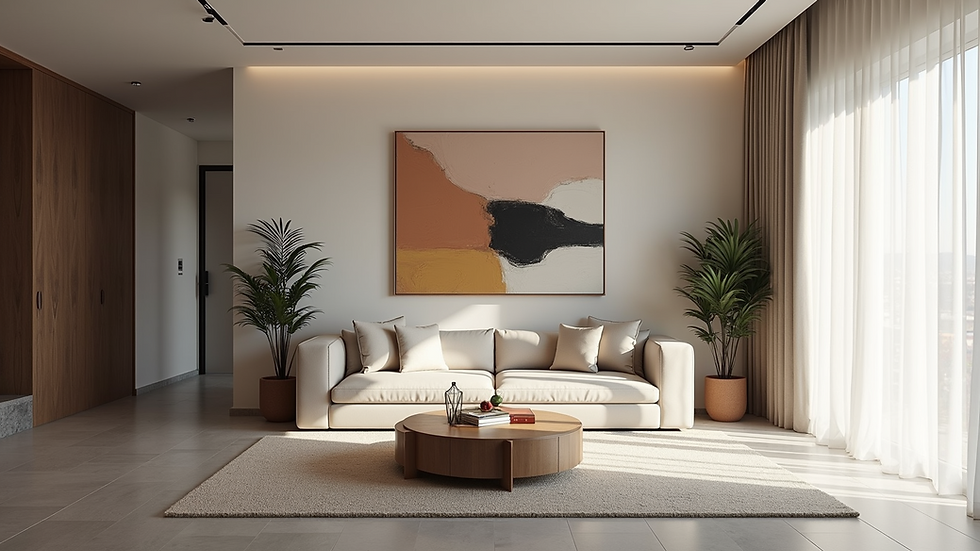
Choose a Large Piece: A large canvas or sculpture can serve as a stunning centerpiece. Place it above a sofa or on a prominent wall.
Gallery Wall: Create a gallery wall with a collection of smaller pieces. This can add interest and character to a room.
Use Lighting: Highlight your art with proper lighting. Spotlights or wall sconces can draw attention to your favorite pieces.
Balance: Ensure that the art is balanced with the other elements in the room. It should not overpower the space but rather complement it.
Incorporating Different Types of Art
Art comes in many forms, and each type can add a unique touch to your space. Here are some ideas:
Paintings: Traditional and versatile, paintings can fit into any decor style. Consider landscapes, abstracts, or portraits.
Photography: Black and white photography can add a modern touch, while colorful prints can bring vibrancy.
Sculptures: Three-dimensional art can add depth to a room. Place sculptures on shelves, tables, or pedestals.
Textiles: Tapestries or fabric art can soften a space and add texture. They are also great for sound absorption.
Mixed Media: Combining different materials can create unique pieces that stand out.
Arranging Art in Your Space
How you arrange art can significantly impact the overall look of your room. Here are some tips for effective arrangement:
Height Matters: Hang art at eye level for the best viewing experience. A good rule of thumb is to place the center of the artwork at about 57 to 60 inches from the floor.
Spacing: Leave enough space between pieces to allow each one to breathe. A common guideline is to leave 2 to 5 inches between frames.
Groupings: When grouping art, consider the shapes and sizes. Mix and match to create an interesting layout.
Symmetry vs. Asymmetry: Decide whether you want a symmetrical arrangement for a formal look or an asymmetrical one for a more casual feel.
Using Art to Define Spaces
Art can also help define different areas within an open floor plan. Here’s how:
Room Dividers: Use large pieces of art as room dividers. This can create a sense of separation without the need for walls.
Thematic Zones: Use art to establish themes in different areas. For example, a cozy reading nook can be enhanced with literary-themed art.
Color Coordination: Use art to tie together different spaces. A consistent color palette can create a cohesive flow throughout your home.
Seasonal Art Swaps
Changing your art with the seasons can keep your space feeling fresh. Here are some ideas for seasonal swaps:
Spring: Bright florals or nature-inspired pieces can bring a sense of renewal.
Summer: Beach scenes or vibrant colors can evoke a sunny atmosphere.
Fall: Warm tones and autumn-themed art can create a cozy vibe.
Winter: Cool colors or winter landscapes can add a serene touch.
By rotating your art, you can easily refresh your space without a complete overhaul.
Art as a Conversation Starter
Art can spark conversations and create connections. Here are ways to use art to engage guests:
Unique Pieces: Choose art that tells a story or has an interesting background. This can lead to discussions about the artist or the inspiration behind the piece.
Personal Collections: Displaying your personal collection can invite questions and stories about your journey as a collector.
Interactive Art: Consider pieces that encourage interaction, such as chalkboard art or pieces that guests can contribute to.
Caring for Your Art
To keep your art looking its best, proper care is essential. Here are some tips:
Cleaning: Dust your art regularly with a soft cloth. Avoid using harsh chemicals that can damage the surface.
Lighting: Be mindful of sunlight exposure. Direct sunlight can fade colors over time, so consider using UV-protective glass for framed pieces.
Humidity: Keep art in a climate-controlled environment. High humidity can damage paper and canvas.
Storage: If you need to store art, use acid-free materials and keep it in a cool, dry place.
Final Thoughts on Transforming Your Space with Art
Incorporating art into your interior design can truly transform your space. It adds personality, creates focal points, and enhances the overall atmosphere of your home.
Remember to choose pieces that resonate with you, consider the arrangement, and don’t hesitate to change things up from time to time. Art is a reflection of who you are, and it should make you feel happy and inspired every day.
So go ahead, explore the world of art, and let it elevate your living space to new heights.


Comments